A prolonged period of freezing temperatures is currently visible in many Finnish homes as exceptionally dry indoor air. This is a completely normal winter phenomenon, when the outdoor air is cold and dry and indoor spaces are heated continuously.
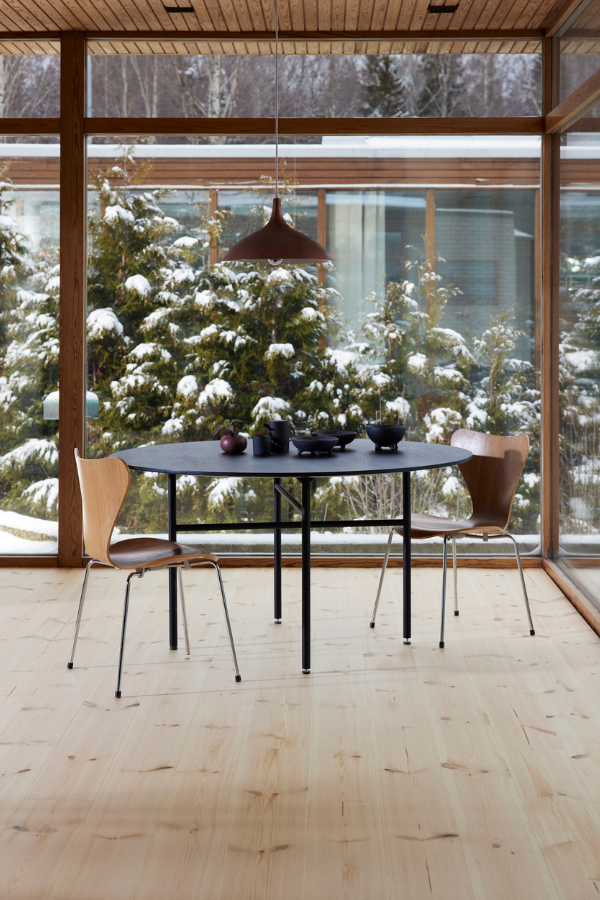
Wood and genuine parquet flooring are natural materials that react to their environment – just like the human body. When conditions are kept in balance, parquet retains its beauty and functionality year after year.
Why does a long cold spell dry indoor air?
In freezing temperatures, outdoor air contains very little moisture. When this air is heated to room temperature, its relative humidity drops significantly. During an extended cold period, this effect accumulates, and indoor humidity levels can gradually fall below the recommended range without being noticed.
This is not a sign of a problem with the home or the floor, but a natural consequence of prevailing weather conditions.
How does dry indoor air affect parquet flooring?
Parquet is designed to withstand the changing conditions of the Nordic climate. However, in dry indoor air, wood naturally shrinks slightly. This is completely normal. It may appear as small gaps between boards or feel like slight movement underfoot.
These changes do not mean the parquet is defective or of poor quality. On the contrary – they indicate that the floor is naturally responding to its environment. When humidity returns to the recommended level, the parquet stabilizes again.
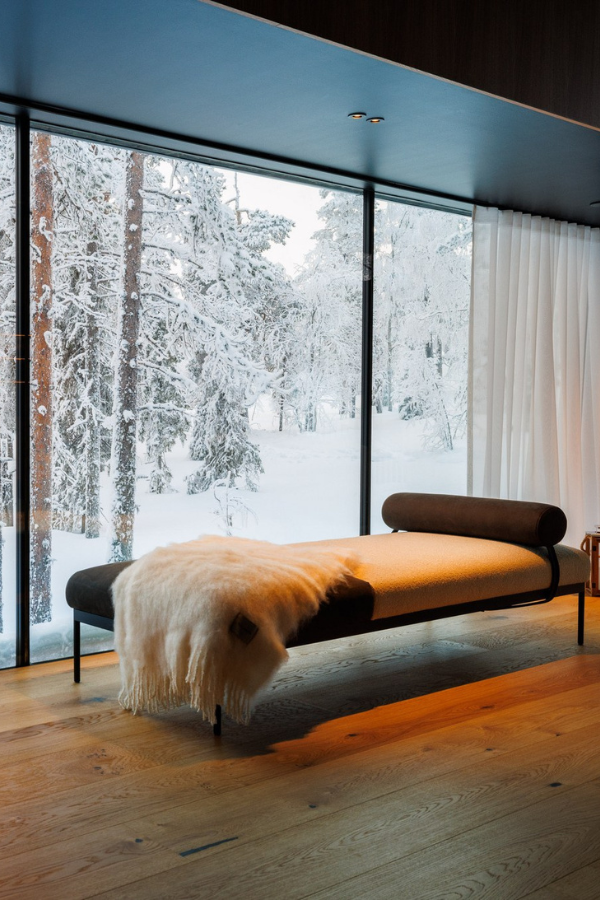
The same phenomenon affects human wellbeing
It is important to remember that the same dry indoor air that affects wooden materials also affects people. Dry air can be felt on the skin, in the eyes and airways, and may even reduce sleep quality. For this reason, managing indoor humidity is important not only for the parquet but also for the wellbeing of the residents. When indoor air feels comfortable to breathe, the materials in your home benefit as well.
Parquet sounds in winter – normal living behaviour
During winter, parquet flooring may occasionally creak or make slight sounds. This is typically caused by changes in conditions, not by damage. When temperature and humidity remain stable, these sounds usually decrease or disappear altogether.
It is important that the parquet can move freely: skirting boards and threshold strips must always be fixed to the wall or subfloor, never to the parquet itself.
How can you tell if indoor air is too dry?
During a prolonged cold period, the following signs may indicate the need to increase humidity:
- Skin and mucous membranes feel dry
- Sleep is less restful than usual
- Static electricity increases
- Houseplants begin to suffer
- The parquet surface feels drier than normal
How to keep conditions within the recommended range
For both parquet and people, ideal indoor conditions are:
- Relative humidity: 35–60% (RH)
- Temperature: +18–24°C
During a cold spell, monitoring humidity and increasing it when necessary is a simple way to support the overall wellbeing of your home. Stable conditions are the best protection for parquet flooring.
Measuring brings peace of mind – with Timberwise x Ruuvi
Because indoor humidity can change quickly during freezing weather, measuring provides reassurance in everyday life. That is why we collaborate with the Finnish company Ruuvi.
With RuuviTag sensors, you can monitor your home’s temperature and humidity in real time. When you know your current readings, it is easy to adjust conditions proactively and in time – without worry or guesswork.
Read more about the Timberwise x Ruuvi collaboration here.
Quality parquet endures when conditions are right
Parquet flooring is a long-lasting choice that retains its value. In proper conditions, it serves from one generation to the next and ages beautifully. A prolonged cold spell is not a threat when indoor humidity is properly managed. When conditions are balanced, parquet naturally adapts – and your home feels comfortable to live in, regardless of the season.